
Accelerating Commercial Building Electrification through Science-Based Decision-making Toolkit
Decarbonizing buildings through electrification is critical for governments and industry stakeholders worldwide to reach their net-zero targets. Over the past decades, a number of cost-effective technologies for electrifying office buildings have come online. However, the adoption of such technologies is hampered by behavioral barriers and market failures. In this project, we propose the development of a comprehensive analytical framework that describes the economics of electrification in commercial real estate. Our framework will provide streamlined decision-making tools and behavioral intervention strategies for industrial stakeholders and policymakers to accelerate commercial building electrification adoption.
MIT Climate and Sustainability Consortium Seed Awards
In collaboration with Randolph Kirchain (co-director of the MIT Concrete Sustainability Hub), SUL has received the MIT Climate and Sustainability Consortium Seed Awards. The project “The Costs and Benefits of Circularity in Building Construction”, led by Siqi Zheng, Faculty Director of MIT Center for Real Estate, aims to identify barriers and incentives for the adoption of circular building practices that might be targeted for further adoption, and to develop interventions to address misperceptions amongst builders.
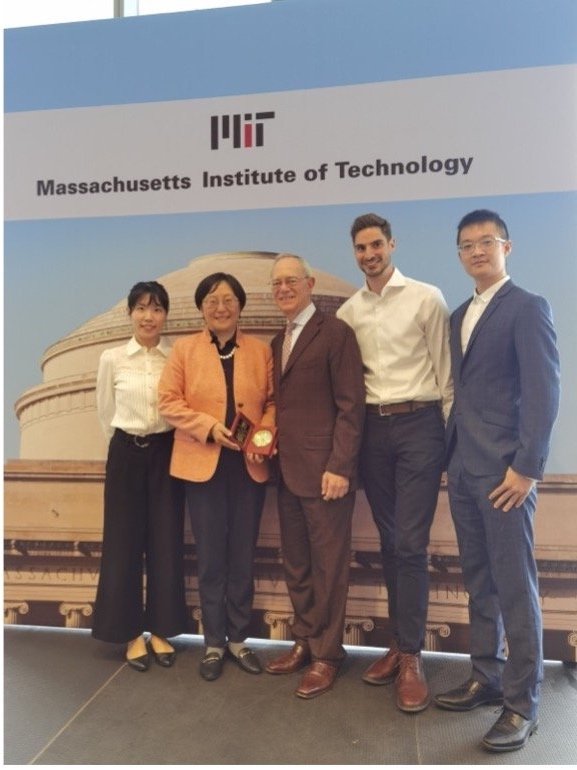
Prof. Zheng awarded the Frank E. Perkins Award for Excellence in Graduate Advising for the School of Architecture and Planning
Professor Siqi Zheng, the CRE Faculty Director, has been awarded the Institute’s Frank E. Perkins Award for Excellence in Graduate Advising for the School of Architecture and Planning. This award is given each year to a professor from each school who has served as an excellent advisor and mentor for graduate students.
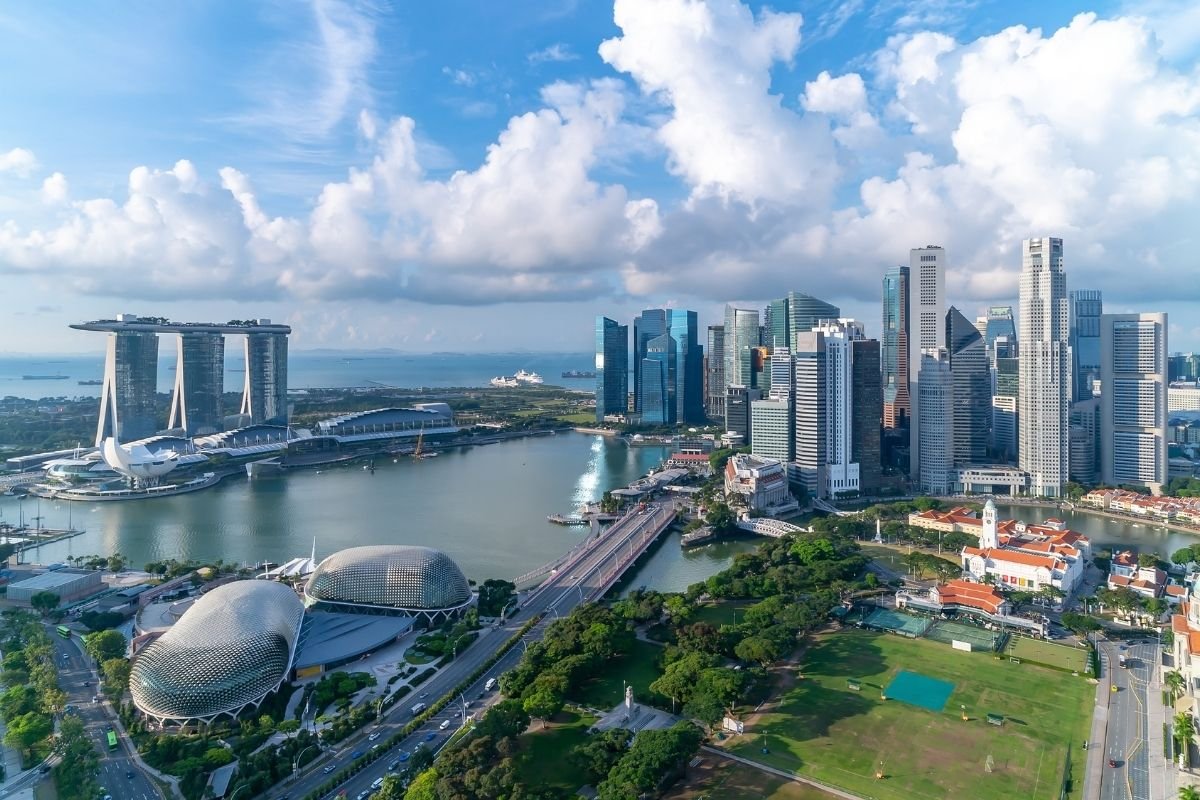
New paper on neighborhood attributes and obesity risks in Singapore
Abstract: We estimate the degree and scope of PM2.5-induced negative price shock in Korea’s local housing markets, taking a two-stage hedonic approach. For the analysis, Korea’s local PM2.5 levels are treated as endogenous and are instrumented with regional air pollutants from China. We find that a unit µg/m3 PM2.5 level increase in a Korean city is associated with a 3.7% decline in local residential property value. Long-range transboundary pollution has significant effects on Korea’s local PM2.5 levels with an elasticity of 0.05. These results enrich the sparse hedonic literature on local air-quality valuation in connection to long-range transboundary pollution in East Asia. The advanced methodological features presented in our two-staged identification strategy with a novel instrument is another contribution of this paper.
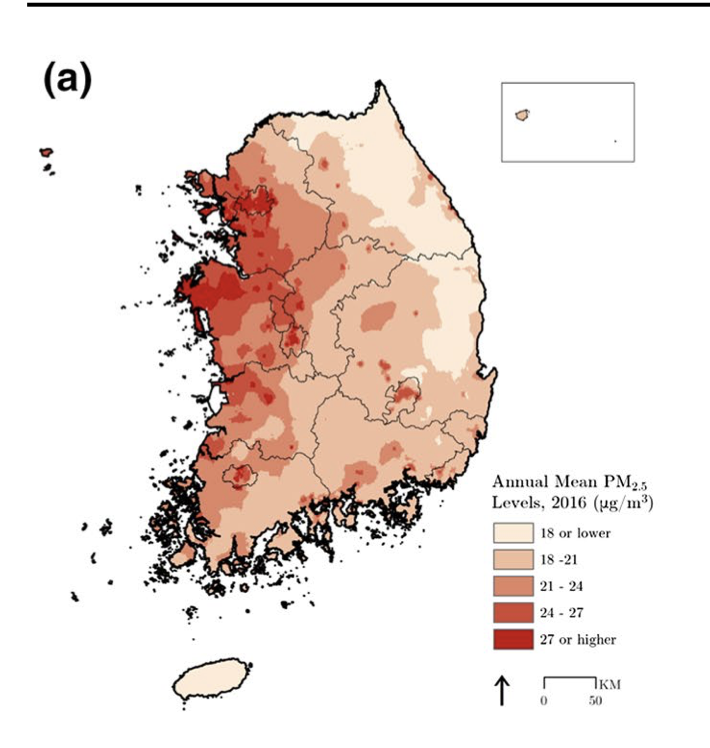
New paper on transboundary air pollution (from China to Korea)’s negative impacts on the housing prices in Korea
Abstract: We estimate the degree and scope of PM2.5-induced negative price shock in Korea’s local housing markets, taking a two-stage hedonic approach. For the analysis, Korea’s local PM2.5 levels are treated as endogenous and are instrumented with regional air pollutants from China. We find that a unit µg/m3 PM2.5 level increase in a Korean city is associated with a 3.7% decline in local residential property value. Long-range transboundary pollution has significant effects on Korea’s local PM2.5 levels with an elasticity of 0.05. These results enrich the sparse hedonic literature on local air-quality valuation in connection to long-range transboundary pollution in East Asia. The advanced methodological features presented in our two-staged identification strategy with a novel instrument is another contribution of this paper.

Erez's new book on MIT News!
Erez Yoeli published a new book called “Hidden Games: The Surprising Power of Game Theory to Explain Irrational Human Behavior” where he “examines how game-theory logic underpins many of our seemingly odd and irrational decisions.”